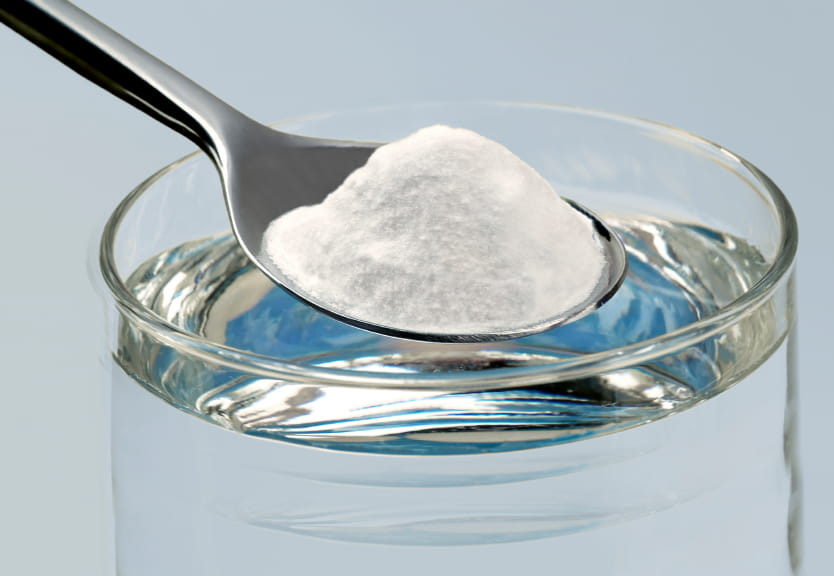
Weight-loss trends often spread quickly online, especially when they promise simple results using ingredients already found in the kitchen. One trend that has attracted attention is the idea of drinking a small amount of baking soda mixed with water as a shortcut for losing weight. Videos and social posts may present this approach as an easy wellness hack, but popularity on social media does not automatically make a health claim reliable.
Before trying a viral baking soda shot recipe, it is important to understand what baking soda actually does in the body, why some people associate it with weight loss, and what potential concerns should be considered. Baking soda, also called sodium bicarbonate, is a common household ingredient and has legitimate uses, but that does not mean drinking concentrated amounts is an effective weight-management strategy baking soda shot for weight loss.
What Is a Baking Soda Shot?
A baking soda shot generally refers to a small drink containing baking soda and water. Online versions may differ considerably in their suggested amounts and additional ingredients. The basic appeal is that the drink appears inexpensive, quick to prepare, and easy to incorporate into a daily routine.
However, a kitchen ingredient should not automatically be treated as a dietary supplement. Baking soda contains sodium and has an alkaline chemical nature. When consumed, it can react with stomach acid. This reaction is one reason baking soda has traditionally been associated with temporary relief of occasional heartburn or indigestion when used appropriately.
That digestive effect is different from causing the body to burn stored body fat.
Why Is Baking Soda Linked to Weight Loss?
The connection between baking soda and weight loss largely comes from online claims about digestion, metabolism, acidity, and fat burning. Some posts suggest that changing the body’s internal pH can somehow accelerate metabolism or make it easier to lose weight.
The body, however, carefully regulates blood pH through the lungs and kidneys. Drinking baking soda does not provide a simple way to “alkalize” the body or force it into a fat-burning state.
A person might also experience temporary changes in how their stomach feels after consuming baking soda. Bloating, belching, or changes in digestion can sometimes be interpreted online as evidence that a weight-loss process has started. Such sensations should not be confused with actual reductions in body fat.
Sustainable weight loss generally depends on factors such as overall calorie intake, food quality, physical activity, sleep, genetics, and long-term habits rather than a single drink.
The Viral Baking Soda Shot Recipe Trend
The viral baking soda shot recipe trend illustrates how quickly wellness ideas can become popular without strong evidence behind them. Short videos can make a practice look convincing by showing before-and-after photographs, personal testimonials, or claims about rapid results.
The problem is that individual experiences cannot establish whether a method works for most people. A person who loses weight while drinking a particular beverage may also have changed their diet, exercise routine, portion sizes, or other lifestyle habits.
Social media content also tends to emphasize simplicity. A drink that takes less than a minute to prepare can appear more attractive than gradual lifestyle changes. Yet weight management is rarely that simple.
When evaluating an online health trend, it is useful to ask whether there is credible scientific evidence supporting the specific claim. It is also worth considering whether the proposed method has potential risks.
Does Baking Soda Burn Body Fat?
There is no good reason to consider ordinary baking soda a proven fat-burning ingredient. Baking soda does not function like an established weight-management treatment, and consuming it does not directly cause stored body fat to disappear.
Weight on the scale can fluctuate because of water, food volume, digestion, and other temporary factors. A short-term change after consuming or avoiding a particular drink does not necessarily represent meaningful fat loss.
For this reason, anyone interested in weight management should be cautious about promises involving dramatic results from a single ingredient.
Potential Concerns With Drinking Baking Soda
Baking soda is high in sodium. Consuming excessive amounts can create problems, particularly for people who need to limit sodium or who have certain medical conditions.
Large quantities can contribute to an excessive sodium load and may cause symptoms such as nausea, vomiting, abdominal discomfort, diarrhea, or other digestive problems. In more serious circumstances, excessive sodium bicarbonate consumption can disturb the body’s acid-base and electrolyte balance.
Another concern is that baking soda can produce carbon dioxide when it reacts with stomach acid. This can lead to gas and abdominal discomfort.
People taking medications or managing health conditions should be especially cautious about using baking soda as a home weight-loss remedy. Rather than relying on social-media instructions, they should discuss dietary changes and supplement-like practices with a qualified healthcare professional.
Why “Natural” Does Not Always Mean Safe
One reason viral wellness trends become attractive is the assumption that ordinary household ingredients are automatically harmless. That assumption can be misleading.
Safety depends on the substance, amount, frequency of use, and individual circumstances. Salt, for example, is a normal part of the diet but can become problematic when consumed excessively. Baking soda follows a similar principle: its everyday availability does not mean it is appropriate to consume in concentrated amounts for a purpose it was not designed to serve.
The same caution applies to recipes that combine baking soda with lemon juice, vinegar, or other acidic ingredients. Chemical reactions may occur, but a visible fizzing reaction is not evidence that the resulting beverage promotes fat loss.
Safer Ways to Approach Weight Loss
Instead of looking for a quick drink-based solution, it is more useful to focus on habits that can realistically be maintained. A balanced eating pattern can provide adequate protein, fiber, vitamins, minerals, and other nutrients while helping manage overall energy intake.
Regular physical activity can also support weight management and general health. This does not necessarily require extreme workouts. Walking, resistance training, cycling, swimming, or other enjoyable activities can contribute to an active lifestyle.
Sleep and stress management are often overlooked as well. Poor sleep and ongoing stress can influence appetite, food choices, and daily energy levels.
For people who are struggling to lose weight or have significant weight-related concerns, professional guidance can provide a more individualized approach. A doctor or registered dietitian can help identify realistic goals and consider factors that social-media trends cannot account for.
What to Consider Before Trying the Trend
Before consuming a baking soda drink because of something seen online, consider the evidence behind the claim rather than the popularity of the video. Ask whether the supposed benefit has been demonstrated in reliable human research and whether the suggested practice has known risks.
It is also important to distinguish between using baking soda for an established purpose under appropriate guidance and consuming it specifically for weight loss. Those are very different situations.
The most important question is not whether a viral baking soda shot recipe is easy to make. The better question is whether it provides a meaningful, evidence-based benefit that outweighs its potential risks. For weight loss, current evidence does not establish baking soda as a reliable method for reducing body fat.
The Bottom Line
The popularity of baking soda drinks demonstrates how quickly simple wellness ideas can spread online. While baking soda has legitimate household and medical uses in appropriate circumstances, there is no established evidence that drinking it provides a special shortcut to weight loss.
Anyone considering a viral baking soda shot recipe should therefore approach the trend cautiously. Sustainable weight management is better supported by balanced nutrition, regular physical activity, adequate sleep, and individualized professional advice when needed.
A drink may be able to attract millions of views, but views are not proof of effectiveness. When weight loss is the goal, evidence, safety, and long-term habits are much more valuable than a viral health hack.