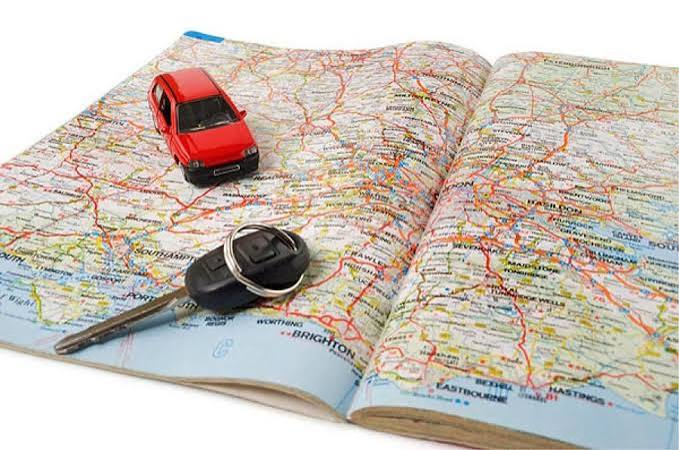
A road trip is more than simply driving from one destination to another. It is an opportunity to explore new places, discover hidden attractions, enjoy beautiful scenery, and create lasting memories with family or friends. However, a successful journey requires thoughtful planning a road trip preparation. Planning a road trip helps you organize your route, budget, transportation, accommodation, meals, and activities while reducing unnecessary stress along the way. With the right approach, even a long drive can become an exciting and unforgettable adventure.
Choose the Right Destination
The first step in planning a road trip is deciding where you want to go. Consider the distance, travel time, weather, road conditions, and attractions available at your destination. Some travelers prefer scenic mountain routes, while others enjoy coastal roads, historic towns, national parks, or busy cities.
Think about how many days you have available. A short weekend trip may be better suited to a nearby destination, while a longer vacation gives you the freedom to travel farther and make multiple stops. Choosing a destination that matches your available time will help you enjoy the journey without feeling rushed.
Research Your Route
Once you have selected your destination, research the best route. Online maps can help you identify highways, scenic roads, rest areas, fuel stations, restaurants, and attractions. Look for alternative routes in case of traffic, road closures, or unexpected delays.
Do not focus only on reaching the final destination. Some of the best road-trip experiences happen at unexpected stops along the way. Small towns, viewpoints, local markets, historical sites, and natural attractions can turn an ordinary drive into a memorable adventure.
Set a Realistic Budget
Budgeting is an important part of planning a road trip. Your expenses may include fuel, accommodation, food, tolls, parking, entrance fees, vehicle maintenance, and entertainment.
Estimate your fuel costs based on the distance you plan to travel and your vehicle’s average fuel efficiency. It is also wise to keep some extra money available for unexpected expenses.
Save Money Along the Way
There are several ways to make a road trip more affordable. Booking accommodation in advance can help you find better prices, while preparing some meals or snacks yourself can reduce food expenses. You can also research free attractions, public parks, scenic viewpoints, and local events.
A good budget does not mean avoiding enjoyable experiences. Instead, it helps you decide where to spend more and where to save.
Prepare Your Vehicle
Your vehicle is one of the most important parts of a road trip. Before leaving, make sure it is in good condition and capable of handling the planned distance.
Check the tires, brakes, engine oil, coolant, lights, battery, windshield wipers, and other essential components. Make sure the spare tire and basic emergency equipment are available.
Pack Essential Items
A well-prepared vehicle should have useful supplies for unexpected situations. Carry a first-aid kit, flashlight, phone charger, water, basic tools, important documents, and emergency supplies.
You should also keep your phone fully charged and consider carrying a power bank. Navigation technology is helpful, but having offline maps can be valuable when traveling through areas with limited mobile coverage.
Plan Your Stops and Accommodation
Driving for many hours without breaks can be tiring and uncomfortable. When planning a road trip, schedule regular stops so everyone can stretch, eat, use restrooms, and relax.
If your journey takes several days, decide where you will stay each night. Hotels, guesthouses, campsites, and vacation rentals can all be suitable depending on your destination and budget.
Avoid Overloading Your Schedule
One common road-trip mistake is trying to visit too many places in a short period. Although it may seem exciting to create a packed itinerary, excessive driving can make the trip exhausting.
Give yourself enough time at each destination. A flexible schedule allows you to enjoy unexpected discoveries instead of constantly worrying about reaching the next location.
Pack Smartly
Packing efficiently can make your journey much more comfortable. Bring clothing suitable for the weather, comfortable shoes, toiletries, medications that you normally need, snacks, reusable water bottles, and entertainment for the drive.
Organize your luggage so frequently needed items are easy to reach. Keep important documents, chargers, and emergency supplies somewhere accessible rather than buried underneath large bags.
Focus on Safety
Safety should always be a priority during a road trip. Follow traffic laws, wear seat belts, avoid distracted driving, and never drive when extremely tired. If you feel sleepy, stop at a safe location and take a proper break.
Drivers should also be aware of changing weather and road conditions. Rain, fog, strong winds, or difficult terrain may require slower speeds and additional caution.
Share Driving Responsibilities
If several licensed drivers are traveling together, sharing driving responsibilities can reduce fatigue. Establish a comfortable rotation before the journey and make sure each driver is rested before taking the wheel.
Passengers can also help by managing navigation, music, snacks, and other small tasks so the driver can concentrate on the road.
Make the Journey Enjoyable
A great road trip is not only about reaching the destination. Create an enjoyable atmosphere with music, podcasts, audiobooks, travel games, conversations, and scenic stops.
Take photographs along the way and keep notes about interesting places you visit. Trying local food and talking with people in different communities can also add character to your adventure.
Leave Room for Spontaneity
While preparation is important, flexibility can make a road trip even better. You may discover a beautiful viewpoint, an interesting town, or a local attraction that was not included in your original plan.
If time and safety allow, be willing to make small changes. Some of the most memorable travel experiences happen when you leave room for unexpected opportunities.
Create a Backup Plan
Even carefully organized trips can experience unexpected problems. Traffic, bad weather, vehicle issues, canceled accommodations, or changes in personal plans can affect your journey.
Keep alternative routes and accommodation options in mind. Save important reservation information and maintain access to emergency contacts. A backup plan gives you confidence and helps you respond calmly when something does not go according to schedule.
Conclusion
Planning a road trip is the key to turning a long drive into a comfortable, enjoyable, and memorable adventure. From choosing the right destination and setting a budget to preparing your vehicle, organizing stops, packing wisely, and prioritizing safety, every preparation step contributes to a better experience.
At the same time, remember that road trips are about exploration rather than perfection. Leave enough flexibility to enjoy unexpected discoveries, take breaks, appreciate the scenery, and spend quality time with your travel companions. With careful preparation and an open mind, your next road trip can become an unforgettable journey filled with exciting experiences and memories that last for years.