Testosterone replacement therapy can be an important treatment for people with clinically confirmed testosterone deficiency. However, starting testosterone is not simply a matter of choosing an injection and following a routine. Proper diagnosis, medical supervision, blood testing, safety checks, and ongoing monitoring all play important roles.
For anyone researching testosterone cypionate UK, it is particularly important to understand how testosterone medicines are regulated, what treatment is intended to achieve, and why a healthcare professional should guide therapy. UK medicine information can be checked through the Medicines and Healthcare products Regulatory Agency (MHRA), which provides access to official product information, including summaries of product characteristics and patient leaflets.
Understanding Testosterone Replacement Therapy
Testosterone is a hormone involved in many functions, including maintaining muscle mass, bone health, red blood cell production, sexual function, mood, and overall energy. Testosterone levels can be affected by several medical conditions, medications, obesity, ageing, pituitary or testicular disorders, and other health factors.
Testosterone replacement therapy is generally considered when testosterone deficiency has been established through appropriate clinical assessment and blood testing. UK product information for licensed testosterone medicines specifies that treatment for male hypogonadism should be based on both compatible clinical features and confirmed biochemical deficiency.
This distinction matters because symptoms such as tiredness, reduced motivation, low mood, or sexual difficulties do not automatically mean that testosterone deficiency is the cause.
What Is Testosterone Cypionate?
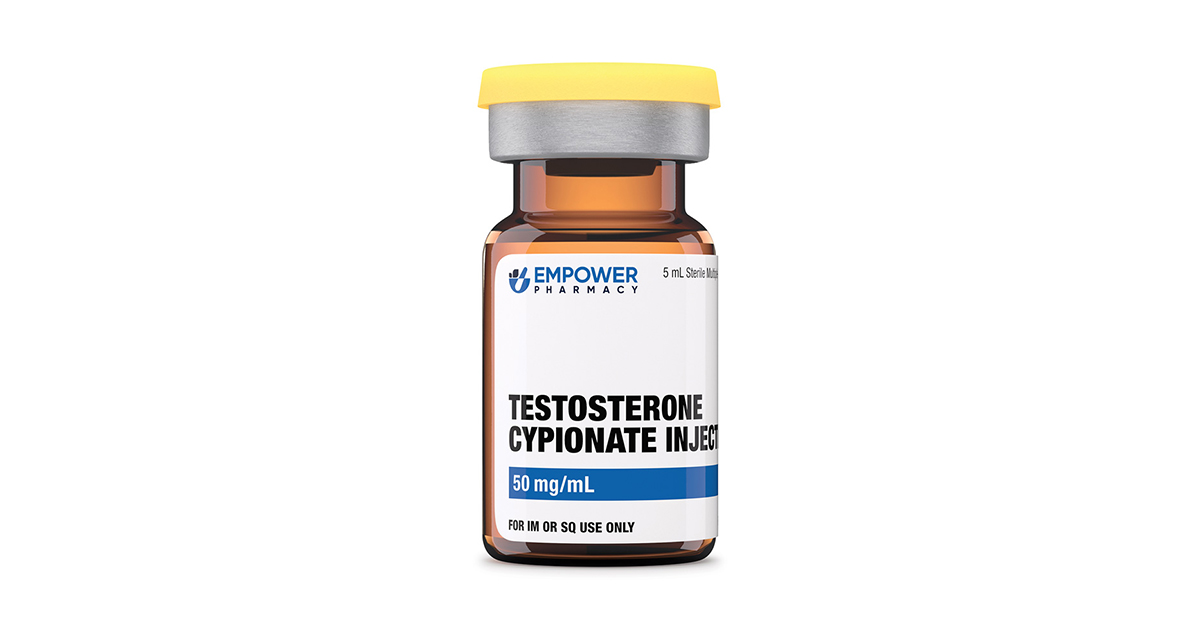
Testosterone cypionate is an injectable form of testosterone ester designed to release testosterone gradually after administration. It is used in some countries for testosterone replacement, but availability and licensing can differ between countries.
People searching for testosterone cypionate UK should therefore distinguish between a medicine that is specifically licensed and routinely supplied in the UK and products obtained through overseas or unregulated sources. The MHRA states that medicines marketed in the UK require appropriate marketing authorisation, while official product information can be checked through its medicines information services.
The exact availability of testosterone cypionate may change, so patients should not assume that a product advertised online is a UK-authorised medicine simply because it uses UK terminology or claims to be suitable for UK patients.
Confirming Testosterone Deficiency Before Treatment
A responsible treatment process begins with diagnosis rather than purchasing medication.
A clinician may review symptoms, medical history, medications, lifestyle factors, and physical findings before ordering blood tests. Testosterone measurements are generally important for confirming whether hormone levels are consistently low.
UK testosterone product information emphasizes that testosterone deficiency should be demonstrated clinically and confirmed through biochemical testing before replacement therapy begins. Some testosterone products specifically require two separate testosterone measurements before treatment.
Other potential explanations for symptoms may also need to be considered. For example, sleep problems, obesity, certain medications, psychological conditions, thyroid disorders, or other endocrine problems can produce symptoms that overlap with testosterone deficiency.
Medical Checks Before Starting Therapy
Before starting testosterone, a healthcare professional may assess factors that could affect whether treatment is appropriate and safe.
This can include a review of cardiovascular health, blood pressure, prostate-related history, fertility plans, and other medical conditions. Depending on age and individual risk factors, prostate assessment and prostate-specific antigen testing may also be considered.
Official UK product information warns that testosterone treatment can affect prostate-related conditions and recommends appropriate evaluation and monitoring.
Blood testing may also be used to establish baseline measurements that can later be compared during treatment. The specific tests and timing should be determined by the treating clinician rather than copied from an online testosterone protocol.
Monitoring During Testosterone Therapy
Starting treatment is only the beginning. Regular monitoring is an important part of testosterone replacement therapy.
Doctors may monitor testosterone concentrations to determine whether treatment is producing an appropriate level. Other blood tests can also be necessary, depending on the patient’s circumstances and the medicine being used.
For example, UK product information for injectable testosterone medicines recommends measuring testosterone before treatment and during treatment, with dosing or injection intervals adjusted according to individual response.
Monitoring can help identify excessive testosterone exposure as well as inadequate treatment. Symptoms such as irritability, nervousness, unexpected weight changes, or prolonged or frequent erections can indicate that testosterone exposure may be too high and should be discussed with a clinician.
Potential Benefits and Limitations
When genuine testosterone deficiency is appropriately diagnosed, replacement therapy may help improve symptoms associated with inadequate testosterone. Depending on the underlying condition, patients may experience improvements in libido, energy, body composition, and other aspects of health.
However, testosterone is not a universal treatment for tiredness, ageing, erectile difficulties, or athletic performance. Official product information also makes clear that testosterone replacement should not simply be treated as a solution for every sexual or reproductive problem.
The goal is normally to restore testosterone to an appropriate physiological range while addressing the underlying medical situation.
Understanding Possible Risks
Testosterone therapy can produce unwanted effects and may not be appropriate for everyone. Risks can vary according to the individual’s health, dose, formulation, and treatment duration.
Possible concerns can include increased red blood cell production, changes in blood pressure, acne or oily skin, changes in mood, fluid retention, changes in prostate-related symptoms, and suppression of natural testosterone production.
Testosterone treatment can also suppress sperm production. Therefore, people who are planning to have children should discuss fertility before starting therapy. This is especially important because testosterone replacement is not the same as fertility treatment.
Some conditions are considered contraindications for particular testosterone medicines. For example, official UK product information for testosterone undecanoate lists androgen-dependent prostate or breast cancer and certain liver tumours among contraindications.
Choosing a Legitimate UK Treatment Route
Anyone researching testosterone cypionate UK should be cautious about websites offering injectable testosterone without an appropriate medical assessment.
Online sellers may advertise testosterone as a bodybuilding product, performance enhancer, or quick solution for low energy. Such products may not have been supplied through the regulated UK medicines system, and their quality, strength, storage, and authenticity may be uncertain.
A safer approach is to speak with a qualified healthcare professional and verify medicine information through recognised UK sources. The MHRA provides access to official information about medicines, including authorised product documentation.
Testosterone Cypionate Is Not the Only Option
Another important point is that testosterone replacement is available in different formulations. UK-authorised testosterone products include injectable preparations and transdermal gels, among others. For example, UK product information is available for testosterone enantate, testosterone undecanoate, and several testosterone gels.
The choice of formulation depends on factors such as diagnosis, medical history, treatment goals, convenience, monitoring requirements, and clinician preference.
This means patients should not assume that a particular injection is automatically the best choice simply because it is popular online.
Questions to Ask Before Starting
Before beginning testosterone therapy, it can be useful to ask a healthcare professional:
- Has testosterone deficiency been confirmed with appropriate blood tests?
- What is the likely underlying cause?
- What testosterone formulation is appropriate?
- What monitoring will be required?
- Could treatment affect fertility?
- Are there prostate, cardiovascular, or other health considerations?
- What symptoms should prompt medical attention?
- How will the treatment be reviewed over time?
These questions can help establish realistic expectations and reduce the risks associated with unsupervised hormone use.
Final Thoughts
Anyone considering testosterone cypionate UK should focus first on diagnosis, medicine legitimacy, safety, and professional monitoring rather than simply finding a source or deciding on an injection schedule.
Testosterone replacement can have a legitimate medical role when testosterone deficiency is properly confirmed and treatment is appropriately supervised. At the same time, it is a prescription-level therapy that can affect multiple body systems and is not suitable for everyone.
Before starting therapy, discuss your symptoms, blood-test results, fertility plans, existing medical conditions, and treatment options with a qualified healthcare professional. Do not self-prescribe testosterone or rely on dosing instructions from unverified websites. Official UK medicine information should also be checked because licensing and product availability can change over time.