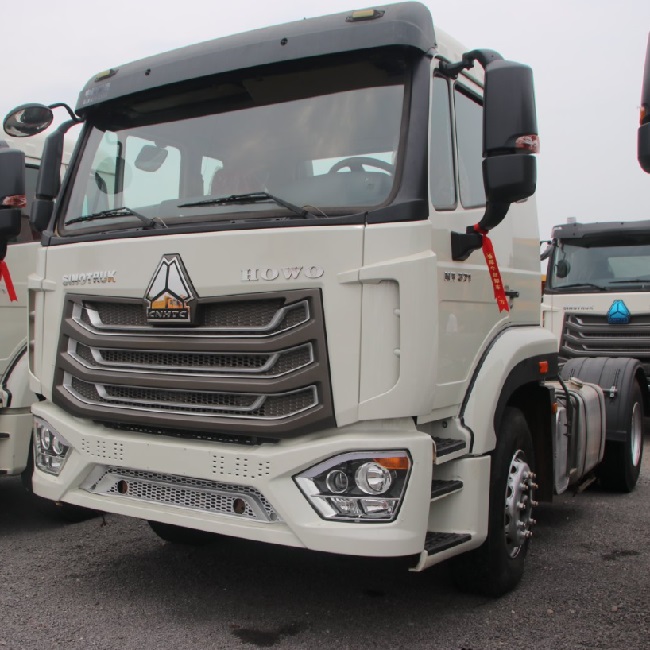
Exporting heavy-duty commercial vehicles requires careful planning, regulatory awareness, and reliable partnerships. If you are considering investing in howo tractor trucks for export, understanding the full export process is essential to ensure smooth transactions and long-term business success. From documentation and compliance to shipping logistics and after-sales coordination, every step plays a critical role.
For businesses working with Rhino truck, the process becomes significantly more streamlined thanks to professional support, quality control standards, and global shipping experience. This guide explains everything you need to know about exporting Howo tractor trucks efficiently and confidently.
Understanding the Global Demand for Howo Tractor Trucks
Howo tractor trucks are widely recognized for their durability, high load capacity, and adaptability to demanding working environments. They are commonly used in construction, mining, long-haul transportation, and industrial logistics.
International markets across Africa, Southeast Asia, the Middle East, and South America consistently seek howo tractor trucks for export because of their:
- Strong chassis and frame construction
- Powerful engine performance
- Cost-effective maintenance
- Availability of spare parts
- Fuel efficiency for long-distance hauling
Rhino truck ensures that all exported units meet strict inspection standards before shipment, guaranteeing reliability and performance across diverse climates and terrains.
Step 1: Identifying the Right Specifications for Export
Before initiating the export process, buyers must determine the exact truck specifications suitable for their market.
Engine and Transmission Configuration
Different countries have varying terrain and load requirements. You need to consider:
- Engine horsepower rating
- Transmission type (manual or automatic)
- Axle configuration (4×2, 6×4, or 8×4)
- Emission standards
Rhino truck assists clients in selecting the most appropriate configuration for their operational needs while ensuring compliance with destination country regulations.
Climate and Road Condition Adjustments
For hot climates, enhanced cooling systems may be required. For rugged terrain, reinforced suspension and chassis systems are recommended. Choosing the correct setup ensures long-term durability and lower maintenance costs.
Step 2: Understanding Export Documentation Requirements
Exporting howo tractor trucks for export requires accurate documentation to avoid customs delays or penalties.
Essential Export Documents
Key documents typically include:
- Commercial Invoice
- Packing List
- Bill of Lading
- Certificate of Origin
- Export Declaration
- Inspection Certificate
Rhino truck provides full documentation support to ensure that all paperwork complies with international trade laws and destination country import requirements.
Compliance with Destination Country Regulations
Each importing country has unique regulations regarding:
- Emission standards
- Safety certifications
- Vehicle age restrictions
- Left-hand or right-hand drive requirements
Failure to comply with these standards can result in shipment rejection or heavy fines. Working with an experienced supplier like Rhino truck minimizes these risks.
Step 3: Quality Inspection and Pre-Shipment Preparation
A crucial stage in exporting howo tractor trucks for export is conducting a comprehensive inspection before shipment.
Pre-Delivery Inspection
Pre-delivery inspections typically include:
- Engine performance testing
- Brake system evaluation
- Electrical system checks
- Tire and suspension inspection
- Hydraulic system testing
Rhino truck ensures that every vehicle undergoes a strict quality control process before leaving the warehouse.
Customization and Branding
Some buyers may require:
- Custom paint colors
- Company logos
- Additional safety equipment
- Reinforced cargo components
These modifications should be completed before shipment to avoid additional costs later.
Step 4: Choosing the Right Shipping Method
The shipping method significantly impacts cost, transit time, and vehicle safety.
Roll-on/Roll-off (RoRo) Shipping
RoRo is one of the most cost-effective methods for transporting howo tractor trucks for export. Trucks are driven directly onto the vessel and secured during transit.
Advantages include:
- Lower shipping cost
- Faster loading and unloading
- Reduced packaging requirements
Container Shipping
Container shipping provides additional protection but can be more expensive. It is often used when exporting smaller truck components or when extra security is required.
Rhino truck helps clients evaluate the best shipping solution based on budget, destination, and urgency.
Step 5: Customs Clearance and Import Procedures
Once the trucks arrive at the destination port, customs clearance begins.
Import Duties and Taxes
Importers must be prepared for:
- Customs duties
- Value-added tax (VAT)
- Port handling charges
- Documentation fees
Understanding these costs in advance ensures accurate budgeting.
Inspection Upon Arrival
In many countries, trucks are inspected upon arrival to verify:
- Compliance with declared specifications
- Engine number and chassis number accuracy
- Roadworthiness
Proper documentation from Rhino truck simplifies this process and speeds up clearance.
Step 6: Payment Methods and Financial Security
International transactions require secure and transparent payment arrangements.
Common Payment Options
Buyers typically use:
- Letter of Credit (L/C)
- Telegraphic Transfer (T/T)
- Partial deposit with balance before shipment
Rhino truck offers structured payment solutions that protect both buyer and seller interests.
Managing Currency Exchange Risks
Fluctuations in currency exchange rates can affect total purchase costs. Locking in exchange rates or using forward contracts may help minimize financial risk.
Step 7: After-Sales Support and Spare Parts Availability
One of the most overlooked aspects of exporting howo tractor trucks for export is after-sales support.
Spare Parts Supply
Access to spare parts is critical for long-term performance. Rhino truck supports clients by:
- Providing spare parts packages
- Offering technical documentation
- Ensuring parts compatibility
Technical Assistance
Remote technical support helps clients troubleshoot operational issues quickly, minimizing downtime.
Common Challenges in Exporting Tractor Trucks
While the process can be straightforward with proper planning, several challenges may arise.
Regulatory Changes
Import regulations can change without notice. Staying updated through professional exporters like Rhino truck helps mitigate this risk.
Shipping Delays
Port congestion or documentation errors can cause delays. Proper coordination and accurate paperwork reduce these risks.
Market-Specific Requirements
Some countries require specific modifications such as speed limiters or reinforced bumpers. These requirements should be identified before finalizing the order.
Why Partnering with Rhino Truck Makes a Difference
Choosing the right supplier is essential when exporting heavy-duty vehicles. Rhino truck provides:
- Comprehensive export documentation support
- Strict quality control procedures
- Customization services
- Competitive pricing
- Reliable shipping coordination
- After-sales technical assistance
By working with a trusted exporter, buyers reduce operational risks and ensure smooth cross-border transactions.
Final Thoughts on Exporting Howo Tractor Trucks
Navigating the export process for howo tractor trucks for export requires careful attention to specifications, compliance, documentation, and logistics. Every stage — from selecting the right configuration to clearing customs — plays a vital role in ensuring successful delivery.
With the professional support of Rhino truck, businesses can confidently expand into international markets, secure reliable transportation solutions, and maximize their return on investment. Proper planning, regulatory understanding, and expert coordination transform what might seem like a complex export process into a manageable and profitable venture.