Introduction
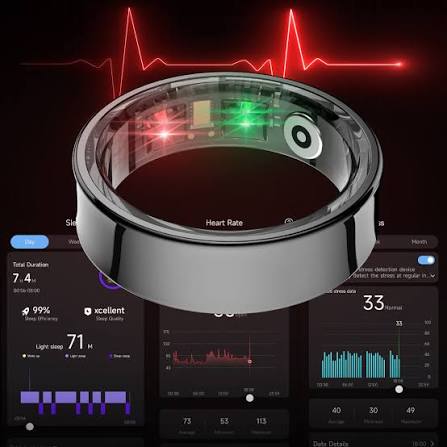
Wearable technology has changed how people monitor their daily activities, track fitness progress, and understand their sleep patterns. While smartwatches and fitness bands remain popular choices, smart rings are becoming an attractive alternative for people who prefer a compact and comfortable device. These small wearables combine modern technology with a traditional ring design, allowing users to access health and activity insights without wearing a watch on their wrist.
But are smart rings really worth the investment? The answer depends on your lifestyle, budget, health-tracking needs, and expectations. Some users appreciate their discreet appearance, long battery life, and sleep-monitoring features, while others may prefer the larger displays and interactive controls of smartwatches.
Brands such as Colmi have helped make smart rings more accessible to consumers looking for wearable technology at different price points. By offering compact designs and various tracking features, Colmi gives technology enthusiasts another option to consider when exploring smart rings.
In this article, we will examine the key features, benefits, and limitations of smart rings, explain who can benefit from using them, and discuss the factors you should consider before purchasing one.
What Is a Smart Ring?
A smart ring is a wearable electronic device designed to fit around a finger. Although it resembles a conventional ring, it contains miniature sensors and electronic components that can collect information about selected activities and body signals.
Depending on the model, a smart ring may offer features such as heart rate monitoring, sleep tracking, activity recording, blood oxygen estimation, and smartphone connectivity. The collected information is usually colmi r09 uk to a companion mobile application, where users can review their daily measurements and historical trends.
Unlike smartwatches, most smart rings do not have large displays. Instead, they focus on collecting information in the background and presenting it through a connected smartphone.
This design makes smart rings suitable for people who want basic wellness insights without constantly checking a screen. They can also complement an existing smartwatch by providing another wearable option for specific activities, including overnight sleep tracking.
Colmi is one brand consumers may encounter when researching affordable smart rings. However, features differ between individual models, so buyers should review the specifications of a particular ring rather than assuming every product offers the same capabilities.
Key Features of Smart Rings
1. Heart Rate Monitoring
Heart rate monitoring is one of the most interesting features available in many smart rings. Small optical sensors can measure changes in blood flow near the skin and estimate a user’s heart rate.
Depending on the model and its software, measurements may be collected periodically or during selected activities. Users can review this information through a connected application to understand general patterns throughout the day.
For example, someone interested in improving their fitness routine might use heart rate trends to understand how their body responds to walking, cycling, or other moderate exercise.
Colmi smart rings may appeal to users searching for accessible wearable devices with health-related tracking features. Nevertheless, sensor availability, measurement frequency, and app functionality should be checked for the exact model being considered.
It is also important to understand that consumer wearables are not substitutes for professional medical equipment. Their measurements can be affected by movement, fit, skin characteristics, and other factors.
2. Sleep Tracking
Sleep tracking is another major reason people consider buying a smart ring. Because rings are compact, some users find them more comfortable to wear overnight than a larger smartwatch.
Depending on the device, sleep-tracking features may estimate total sleep duration, sleep timing, nighttime movement, and different sleep stages. Some applications also present summaries that help users recognize changes in their sleeping habits.
For instance, users may discover that their sleep schedule becomes less consistent during busy workdays or that late-night screen use coincides with shorter sleep periods.
These insights can encourage better habits, such as maintaining a regular bedtime and creating a relaxing nighttime routine.
However, sleep-stage classifications are estimates rather than definitive measurements. A smart ring cannot provide the same detailed assessment as a clinical sleep study. Its data should be treated as a general guide rather than a diagnosis.
3. Daily Activity Tracking
Many smart rings include sensors that help record everyday movement. Depending on the model, this may include step counts, estimated activity levels, or basic workout information.
Activity tracking can help users become more aware of how much they move during the day. Someone who spends several hours sitting at a desk may use activity summaries as a reminder to take regular walking breaks.
A ring that records daily movement can also support gradual habit-building. Rather than concentrating exclusively on intense workouts, users can pay attention to consistent everyday activity.
Colmi products may be worth exploring for people who want a smaller wearable for routine activity monitoring. Before purchasing, confirm whether the selected model supports the activities you want to track and whether its application provides the information you need.
4. Blood Oxygen Estimation
Some smart rings include sensors designed to estimate blood oxygen saturation, commonly referred to as SpO2. This measurement represents the proportion of oxygen-carrying hemoglobin in the blood.
When available, the feature may provide occasional readings or overnight estimates, depending on the ring’s capabilities.
Although this information can be interesting for general wellness tracking, accuracy varies between devices and measurement conditions. A poorly fitting ring, movement, cold fingers, or other factors may influence the results.
Not every smart ring supports blood oxygen estimation, so it is essential to verify the specifications instead of assuming the feature is included.
People who require oxygen monitoring for medical reasons should follow guidance from a qualified healthcare professional and use appropriate medical devices.
5. Smartphone Connectivity
Most smart rings connect to compatible smartphones through Bluetooth or another supported wireless connection. A companion application generally displays collected measurements, activity summaries, and other available information.
The quality of the application can make a substantial difference to the overall experience. Clear charts, understandable summaries, and reliable synchronization help users interpret the information collected by their ring.
Before choosing a Colmi smart ring or another model, check smartphone compatibility, supported operating systems, application availability, and any account requirements.
It is also useful to investigate how the manufacturer handles personal data, whether information can be exported, and which features remain available if the application is discontinued or the device is no longer supported.
The Main Benefits of Smart Rings
1. Compact and Discreet Design
One of the biggest advantages of smart rings is their small size. Unlike smartwatches, they do not occupy the wrist or feature a prominent screen.
This design can appeal to people who prefer minimalist accessories or do not want another display demanding their attention.
Smart rings can also fit naturally into many everyday situations, including studying, working, commuting, and relaxing at home.
However, comfort depends on ring thickness, weight, material, and finger size. A ring that feels comfortable in a store may become noticeable during certain activities or overnight wear.
2. Convenient Overnight Wear
Some users find smart rings easier to wear while sleeping than watches with large cases and straps.
Their compact design can make overnight monitoring more convenient, particularly for people who want to review sleep patterns over several weeks.
Comfort remains personal, though. A ring that is too tight, too loose, or uncomfortable against bedding may interfere with sleep or produce inconsistent measurements.
Selecting the correct size is therefore an important part of the buying process.
3. Potentially Longer Battery Life
Battery life varies considerably across wearable devices, but some smart rings can operate for several days before needing to be recharged.
Because most models do not run a large display, their power requirements may be lower than those of feature-rich smartwatches. Nevertheless, continuous sensor operation, wireless communication, and software settings all affect battery performance.
Charging cases may extend the time between access to a wall charger, although their availability depends on the product.
When comparing Colmi models, examine the manufacturer’s battery-life estimates and consider whether those estimates reflect typical usage or limited testing conditions.
4. Less Screen Distraction
Smartwatches can display messages, notifications, calls, and applications. These features are useful, but they can also encourage frequent checking.
Smart rings generally emphasize passive data collection instead of constant interaction. Users can review their information when they choose to open the companion application.
This approach may suit people who want wellness insights without adding another screen to their daily routine.
5. Accessibility at Different Price Points
Smart rings are available at different price levels, ranging from relatively affordable models to premium devices with advanced software features.
Colmi is a brand worth researching for buyers who want to explore the smart-ring category without automatically choosing a premium-priced product.
However, a lower purchase price does not guarantee the best overall value. Buyers should compare sensor features, application quality, build materials, battery life, warranty coverage, and long-term support.
A slightly more expensive product may be a better choice if it offers more reliable software or the specific tracking functions you need.
Important Limitations of Smart Rings
1. Limited Interaction
Most smart rings do not include a conventional display, making them less suitable for users who want to read messages, navigate applications, or interact directly with a device.
Although some models support specialized gestures or other controls, these features are not universal.
A smartwatch may be more useful for people who want notifications, music controls, navigation, or quick access to information directly from their wrist.
Smart rings are generally better suited to collecting data in the background than replacing a smartphone or smartwatch.
2. Variable Measurement Accuracy
Smart rings rely on small sensors and algorithms to estimate different measurements. Their results can be useful for observing general trends, but accuracy is not guaranteed in every situation.
Movement, incorrect sizing, sensor placement, skin temperature, and other conditions may affect readings.
For example, a ring may record activity differently from a dedicated fitness tracker, or its sleep-stage estimates may not match those from a clinical assessment.
Consumers should avoid treating individual readings as unquestionable facts. Consistent trends across time are often more useful for general wellness purposes than reacting to a single unusual result.
3. Limited Sports Features
Some smart rings can record basic activity information, but they may lack the specialized workout tools available on sports watches.
Depending on the model, features such as built-in GPS, detailed exercise metrics, live workout displays, and advanced training analysis may be unavailable.
Athletes who need detailed performance information should compare the available tracking functions carefully before choosing a ring.
A smart ring may still be useful as a complementary device, especially for sleep tracking and everyday wellness monitoring, but it may not replace a dedicated sports wearable.
4. Sizing and Comfort Challenges
Unlike adjustable wristbands, smart rings generally require a suitable ring size. Finger measurements can also change slightly with temperature, activity, and other everyday conditions.
A ring that is too loose may not maintain consistent sensor contact, while one that is too tight can become uncomfortable.
Buyers should follow the manufacturer’s sizing guidance and check whether a sizing kit is available. If possible, they should review the return and exchange policy before ordering.
The ring’s material also matters. People with sensitive skin should examine the material specifications and discontinue wearing the device if irritation develops.
5. Privacy and Data Security
Smart rings can collect personal information about activity, sleep, and certain physiological signals. This makes privacy an important consideration.
Before purchasing, review the manufacturer’s privacy policy and determine what information is stored locally, what is uploaded to online services, and whether data is shared with third parties.
Strong account security, application updates, and clear data-deletion options are useful features to look for.
Consumers should also consider whether they are comfortable allowing a wearable application to maintain long-term records of their routines.
6. Software and Subscription Restrictions
The hardware is only one part of a smart ring’s value. The companion application determines how measurements are organized, interpreted, and presented.
Some brands offer extensive analysis without an ongoing subscription, while others may charge for selected premium services. Product policies can change over time.
Check whether the ring requires a subscription, whether its essential features remain free, and whether the application is actively maintained.
For Colmi products, confirm the current terms for the specific model and application rather than relying on assumptions about the entire product range.
Are Colmi Smart Rings Worth Considering?
Colmi is a brand that consumers may encounter while searching for budget-friendly smart rings. Its products can be worth comparing with other wearables if you want to explore compact health and activity tracking.
The most important consideration is whether an individual model offers the functions that matter to you at a reasonable price.
What to Check Before Buying
First, review the sensor specifications. If heart rate monitoring is important, confirm that the selected ring supports it and understand how frequently measurements are collected. If you want sleep tracking, check which sleep-related metrics are available.
Second, investigate the companion application. Look for clear reports, reliable synchronization, and compatibility with your smartphone.
Third, compare battery life, charging arrangements, materials, sizing options, and water-resistance ratings. Do not assume every ring can be worn during swimming or every type of water-based activity.
Finally, read recent customer reviews from multiple sources. Pay attention to comments about measurement consistency, application stability, comfort, and battery performance rather than relying exclusively on promotional claims.
A Colmi ring may offer good value for someone who wants basic wearable features, but the best choice depends on the particular product and the buyer’s priorities.
Smart Ring vs. Smartwatch: Which Is Better?
Smart rings and smartwatches serve overlapping but different purposes.
A smart ring is generally a better fit for people who prioritize a discreet design, passive tracking, and minimal screen interaction. A smartwatch is often more appropriate for users who want notifications, applications, navigation, workout displays, and convenient controls.
Neither category is automatically superior. The right choice depends on the features you will actually use.
For example, someone primarily interested in reviewing sleep patterns and general daily activity may prefer a ring. A person who regularly follows structured workouts and wants to view live performance metrics may benefit more from a sports-oriented smartwatch.
Some users may even choose both devices if their features complement one another and the additional expense is justified.
Who Should Buy a Smart Ring?
Smart rings can be useful for several types of consumers.
People who prefer minimalist accessories may appreciate their discreet appearance. Students and office workers may enjoy tracking daily movement without wearing a large device. Individuals interested in improving sleep habits may value overnight monitoring, provided they understand its limitations.
Budget-conscious technology enthusiasts may also want to investigate products from Colmi and other manufacturers to compare features and costs.
However, smart rings may be less suitable for people who require highly specialized athletic measurements, extensive on-device controls, or medically reliable monitoring. Those needs may be better served by dedicated devices designed for the intended purpose.
Tips for Getting the Most Out of a Smart Ring
Wear It Consistently
Following the manufacturer’s wearing instructions helps maintain consistent sensor contact. Choose the recommended finger and ensure the ring fits comfortably.
Focus on Trends
Review patterns over several days or weeks instead of becoming overly concerned about individual measurements. Changes in routine, sleep schedules, and activity levels may help explain variations.
Keep the Application Updated
Software updates may improve compatibility, correct problems, and refine the user experience. Install updates from official sources and review the permissions requested by the application.
Maintain Realistic Expectations
A smart ring can encourage greater awareness of everyday habits, but it cannot guarantee better sleep, improved fitness, or the prevention of health problems. The information is most useful when combined with sensible routines and professional advice where necessary.
Compare Total Ownership Costs
Consider the purchase price, replacement options, charging accessories, possible subscriptions, and warranty coverage. This broader comparison helps determine whether a ring represents good long-term value.
Conclusion
Smart rings offer an interesting combination of compact design, convenient wearable technology, and personal activity insights. Depending on the model, they can monitor heart rate, estimate sleep patterns, record daily movement, and present information through a smartphone application.
Their biggest advantages include discreet styling, potentially convenient overnight wear, reduced screen distraction, and a range of available price points. Their limitations include restricted interaction, variable measurement accuracy, sizing challenges, privacy considerations, and fewer advanced workout features on some models.
Colmi is worth exploring for consumers interested in comparing accessible smart-ring options. However, the brand name alone should not determine a purchase. Reviewing the exact model’s specifications, application support, battery performance, comfort, and warranty is essential.
Ultimately, smart rings are worth considering if their features match your everyday needs and you understand what their measurements can and cannot tell you. For people seeking simple wellness tracking in a compact form, they can be a practical addition to a technology routine. For those who need extensive sports functions or medically reliable readings, another device may be more appropriate.
The smartest purchase is not necessarily the ring with the most features or the lowest price. It is the one that fits comfortably, provides useful information, protects your data, and offers dependable value over time.