Hurricanes can disrupt daily life in a matter of hours. Strong winds, flooding, damaged power lines, and widespread outages can leave homes without electricity for extended periods. During these emergencies, access to essential devices becomes more than a convenience. Phones, medical equipment, refrigerators, lights, communication devices, and other electronics may be critical for safety and comfort. Understanding how to prepare for an outage can help homeowners respond confidently when severe weather arrives.
Why Backup Power Matters During a Hurricane
A hurricane can cause power interruptions before, during, or after the storm. Even when a home is outside the most heavily affected area, electrical service may remain unavailable while utility crews inspect lines and repair damaged infrastructure. Depending on the severity of the storm, an outage can last for several hours or several days.
The challenge is that modern households depend on electricity for many important functions. Smartphones provide access to emergency alerts and communication. Internet routers may be necessary for receiving information. Refrigerators and freezers protect food and medications that require controlled temperatures. Some households also rely on electrically powered medical devices.
For this reason, keeping essential devices powered during a hurricane should be part of every homeowner’s emergency preparedness strategy. A thoughtful plan can help determine which devices need electricity, how much power they consume, and how long backup equipment must operate.
Identify Your Most Important Devices
The first step is to make a list of devices that should remain operational during an outage. Not every appliance needs to be powered continuously, so prioritizing equipment can make limited backup energy last longer.
Common priorities include smartphones, tablets, laptops, flashlights, radios, Wi-Fi equipment, refrigerators, freezers, and medical devices. Some homeowners may also want to power a television for emergency news updates or a small fan for comfort.
It is useful to separate devices into three categories: essential, useful, and optional. Essential equipment should receive priority when backup power is limited. Useful equipment can be operated when sufficient energy is available, while optional electronics can remain disconnected until normal electricity returns.
This simple classification makes it easier to manage energy during a prolonged outage. It also helps homeowners avoid wasting valuable battery capacity on devices that are not necessary for safety or communication.
Understand Power Requirements
Before purchasing or preparing a backup power system, homeowners should understand how much electricity their devices require. Power consumption varies significantly between products. A smartphone charger uses relatively little energy, while a refrigerator or portable air conditioner requires considerably more.
Check the labels or manufacturer’s specifications for wattage information. For battery-powered equipment, capacity is commonly expressed in watt-hours. Understanding these measurements helps homeowners estimate how long a battery or power station may run specific devices.
For example, charging a phone several times may require only a small amount of stored energy. Running a refrigerator continuously, however, can consume much more. Refrigerators also have startup requirements that may briefly demand more power than their normal operating wattage.
Creating a basic energy budget before hurricane season can prevent unpleasant surprises. Homeowners should consider both the power needed to start a device and the energy required to keep it running.
Choose the Right Backup Power Solution
Several backup power options are available, and each has advantages and limitations. Portable power stations are popular because they can store electricity in a rechargeable battery and provide power through standard outlets, USB ports, or other connections. They are generally quiet and can be used indoors when operated according to manufacturer instructions.
Uninterruptible power supplies, commonly known as UPS systems, can provide short-term battery support for sensitive electronics such as computers, networking equipment, and communication devices. They are especially useful for preventing sudden shutdowns.
Gasoline or propane generators can supply substantially more electricity for larger appliances and extended outages. However, generators must always be operated outdoors in a safe location because of the risk of carbon monoxide poisoning. They should never be used inside a home, garage, basement, or other enclosed space.
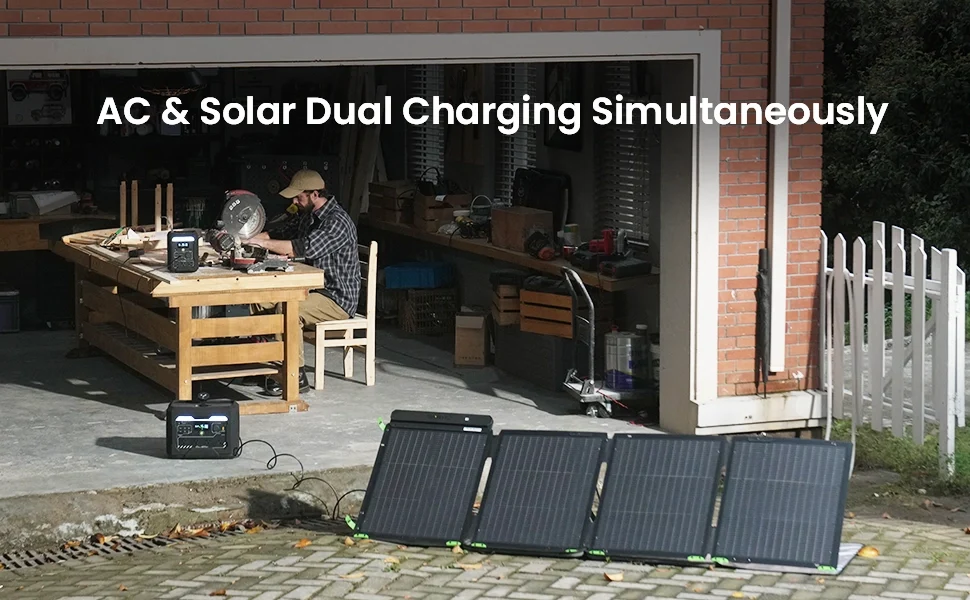
Solar panels can also complement battery storage systems. During a lengthy outage, solar charging may help replenish compatible batteries during daylight hours. Weather conditions can affect solar production, though, so homeowners should not rely on solar generation alone during periods of heavy cloud cover.
Prepare Batteries Before the Storm
A backup power system is only useful if it is ready when needed. Before a hurricane approaches, fully charge portable power stations, rechargeable batteries, and other backup equipment. Keep charging cables together in a clearly labeled container so they can be found quickly during an emergency.
It is also wise to charge smartphones, laptops, tablets, and rechargeable flashlights before severe weather arrives. A fully charged device can provide valuable communication and information access if the power fails.
Homeowners should periodically test backup equipment rather than waiting for an emergency. Check whether batteries hold their charge and confirm that cables and adapters are compatible with the devices they are intended to support.
Protect Your Equipment From Electrical Surges
Power can fluctuate when electricity is restored after an outage. Sudden voltage changes may damage sensitive electronics. Surge protectors can provide an additional layer of protection for certain devices, although they are not a substitute for appropriate electrical safety measures.
When a severe storm is approaching, unplugging nonessential electronics can reduce the risk of damage caused by electrical surges. If using a generator, make sure appliances are connected and operated according to the generator manufacturer’s instructions.
Homeowners considering a permanent generator installation should work with qualified professionals and follow local electrical codes. Improper connections can create serious safety hazards, including backfeeding electricity into utility lines.
Plan for Refrigeration and Medical Needs
Keeping food cold is a major concern during extended power failures. A refrigerator can remain cold for a limited period if the door stays closed, but homeowners should have a plan for longer outages. Battery backup systems or generators may be useful for maintaining refrigeration, depending on their capacity.
Medical equipment requires even greater attention. Anyone who depends on electricity for essential medical devices should speak with their healthcare provider about emergency power planning. It may be necessary to arrange a higher-capacity backup system or identify an alternative location with reliable electricity.
Medical needs should always take priority when allocating limited backup power. Families should also keep necessary medications and emergency supplies organized before hurricane season begins.
Use Backup Energy Wisely
When an outage begins, conserve stored energy whenever possible. Turn off devices that are not currently needed, reduce unnecessary screen use, and avoid leaving chargers connected when batteries are full.
Instead of running multiple devices continuously, consider creating a charging schedule. For example, family members can charge phones at designated times rather than keeping every charger connected throughout the day.
Energy conservation becomes particularly important when weather conditions prevent solar charging or when fuel supplies are limited. A careful approach can extend the usefulness of backup equipment until utility power is restored.
Build a Complete Hurricane Power Plan
Keeping essential devices powered during a hurricane requires more than purchasing a battery or generator. The best approach combines preparation, prioritization, energy conservation, and safe equipment operation.
Homeowners should identify critical devices, calculate approximate energy requirements, select suitable backup equipment, and test everything before hurricane season. It is also important to maintain emergency supplies such as flashlights, batteries, charging cables, portable radios, and power banks.
A written emergency plan can help every household member understand which devices have priority and how backup equipment should be used. Families should also monitor official weather and emergency alerts throughout the storm.
Final Thoughts
A hurricane can create challenging conditions, but proper preparation can make an extended power outage much easier to manage. By understanding energy needs and preparing reliable backup options, homeowners can maintain access to essential communication, refrigeration, lighting, and medical equipment.
The goal of keeping essential devices powered during a hurricane is not necessarily to operate every electronic device in the home. Instead, it is about identifying what truly matters, preparing enough backup capacity, and using available energy responsibly. With a clear plan and properly maintained equipment, households can be better prepared to stay connected and protected until regular electrical service is restored.