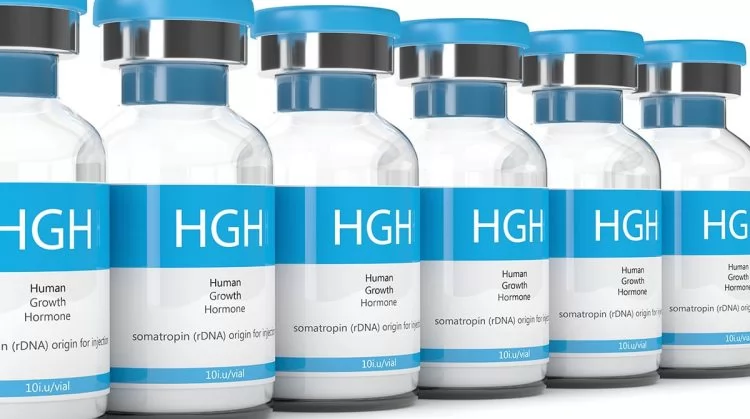
Human growth hormone, commonly known as HGH or growth hormone (GH), is an important hormone produced naturally by the pituitary gland. It plays a central role in childhood growth and continues to influence metabolism, body composition, bone health, and other biological processes throughout adulthood. Because of these functions, HGH has become a widely discussed topic among people interested in hormones, medical treatment, fitness, and general health.
When researching https://genxtropin.co.uk/, it is important to separate established medical facts from marketing claims and understand how growth hormone works, why it may be prescribed, and what considerations should be made before using it.
What Is Human Growth Hormone?
Human growth hormone, also called somatotropin, is produced by the pituitary gland and released into the bloodstream. Natural GH secretion varies throughout the day and is particularly associated with periods of sleep. The hormone contributes to normal growth during childhood while also affecting metabolism and body tissues in adults.
HGH is a protein hormone, meaning it cannot simply be taken as a conventional tablet because it would be digested in the gastrointestinal system. Medically prescribed recombinant human growth hormone is therefore generally administered by injection under the skin.
Why Is HGH Used Medically?
One of the most established applications of HGH is treating diagnosed growth hormone deficiency. In children, insufficient growth hormone can contribute to restricted growth, and medical assessment may involve blood tests, genetic testing, X-rays, and other investigations depending on the suspected cause.
Growth hormone can also be prescribed for certain specific medical conditions. NHS guidance describes its use in conditions including growth hormone deficiency and selected causes of restricted growth. Somatropin is one form of recombinant growth hormone used in clinical treatment.
For adults, treatment is different. Growth hormone replacement may be considered when an individual has confirmed growth hormone deficiency and meets appropriate clinical criteria. Adult treatment is generally managed by specialist healthcare professionals rather than used as a general wellness product.
HGH and the Human Body
Growth hormone affects several processes within the body. During childhood, it supports bone and tissue growth. In adulthood, GH remains relevant to metabolism, body composition, protein building, and bone health.
Medical information from Cambridge University Hospitals explains that growth hormone contributes to the body’s ability to use fat for energy, supports protein building, and plays an important role in maintaining bone mass. Adults with genuine growth hormone deficiency can experience changes in body composition, cholesterol levels, energy, and quality of life.
This explains why HGH should not be viewed as having only one function. Its biological effects involve multiple systems, and altering hormone levels can therefore have consequences beyond a person’s initial reason for considering treatment.
HGH Is Not the Same as a General Fitness Supplement
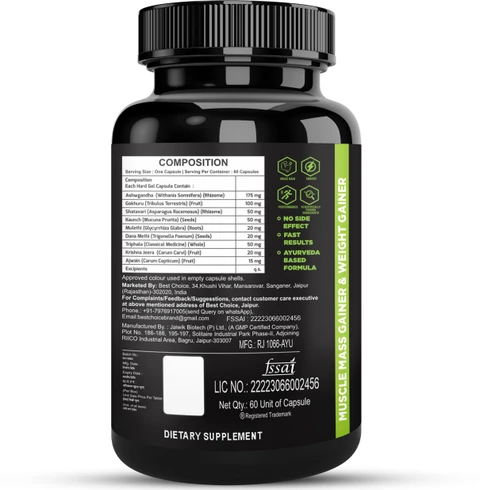
HGH is sometimes discussed online in connection with muscle development, fat reduction, athletic performance, or anti-ageing. However, medical treatment should not be confused with ordinary nutritional supplementation.
A legitimate growth hormone treatment plan is based on an appropriate medical indication, assessment, dosage, monitoring, and follow-up. The NHS and specialist hospitals emphasize clinical supervision and monitoring for people receiving growth hormone replacement.
People researching GenXtropin HGH UK should therefore consider the distinction between information about HGH and claims about what a particular product can achieve. Product descriptions alone should not replace advice from a qualified healthcare professional.
Possible Side Effects of Growth Hormone
Like other medicines that influence hormone levels, growth hormone can cause side effects. The effects can vary according to the individual, dose, treatment indication, and other health factors.
Cambridge University Hospitals notes that possible effects of recombinant growth hormone replacement include swelling of the hands and feet, joint discomfort, and tingling sensations. These effects may improve when the dose is adjusted under medical supervision.
Other NHS hospital guidance lists potential effects such as joint stiffness, muscle pain, fluid retention, peripheral oedema, carpal tunnel symptoms, and worsening glucose tolerance.
Excess growth hormone can also cause medical problems. Acromegaly, for example, occurs when the body produces too much growth hormone and can result in changes affecting the hands, feet, face, joints, and metabolism.
These facts highlight why using HGH without appropriate medical guidance can present unnecessary risks.
The Importance of Professional Monitoring
Growth hormone replacement is not normally a treatment that should be adjusted casually. Medical teams may monitor factors such as body weight, blood pressure, symptoms, and IGF-1 levels to determine whether treatment remains appropriate.
Cambridge University Hospitals describes regular follow-up during adult growth hormone replacement, including blood testing and assessment of treatment response.
For this reason, anyone considering HGH should discuss their circumstances with a qualified healthcare professional. A clinician can determine whether symptoms are actually related to growth hormone deficiency and whether treatment is medically appropriate.
Understanding HGH in the UK
The UK healthcare system treats growth hormone as a specialist medicine rather than an ordinary consumer supplement. NHS commissioning information states that adult growth hormone prescribing is managed through specialist services, while specific growth hormone medicines may be used for defined conditions in children and adults.
When exploring GenXtropin HGH UK, consumers should therefore pay attention to information about medical supervision, product authenticity, appropriate prescribing, storage, administration, and regulatory considerations. These issues are particularly important when medicines are obtained through online channels.
Making Sense of HGH Information
There is considerable information about HGH online, but not every claim has the same level of scientific support. A useful approach is to look for information from established healthcare organizations, understand the approved medical uses of growth hormone, and avoid assuming that anecdotal experiences apply to everyone.
HGH can be an important medical treatment for people with appropriate diagnoses. At the same time, it is a powerful hormone that requires careful consideration. Understanding both its potential therapeutic role and its risks provides a more balanced foundation for researching products and treatment options.
Final Thoughts on GenXtropin HGH UK
GenXtropin HGH UK is a search term associated with interest in human growth hormone, but understanding HGH itself is the essential starting point. Growth hormone has well-established biological functions and legitimate medical applications, particularly in diagnosed growth hormone deficiency and certain growth-related conditions.
Anyone considering HGH should focus on evidence-based information rather than relying solely on promotional claims. Because treatment can affect metabolism, fluid balance, glucose regulation, joints, and other aspects of health, professional assessment and monitoring are important.
Ultimately, learning the basic facts about HGH can help consumers ask better questions, recognize the difference between medical treatment and unsupported claims, and approach growth hormone information with greater awareness and caution.