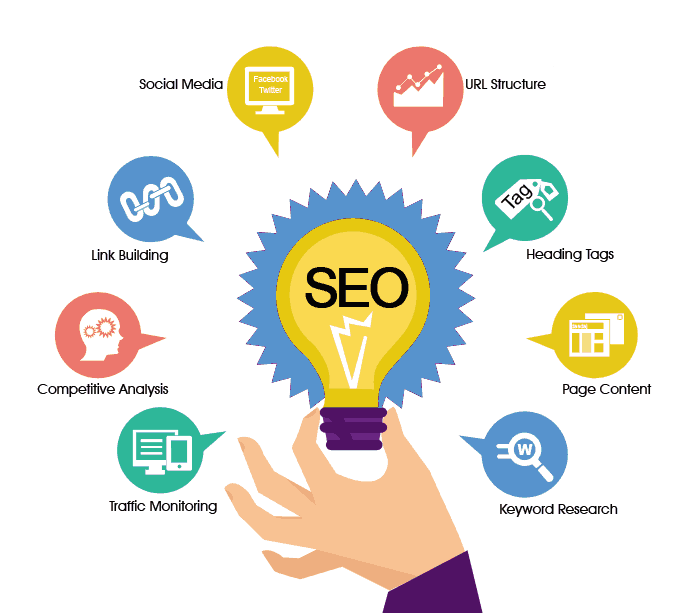
In today’s highly competitive online environment, having a digital presence is no longer enough to guarantee business success. Companies need to make sure their websites can be discovered by the right audience at the right time. This is where search engine optimization becomes an essential part of a successful digital strategy. By improving website visibility, attracting relevant visitors, and supporting long-term online growth, search engine optimization helps businesses build a stronger and more sustainable presence on the internet.
Understanding Search Engine Optimization
Search engine optimization is the process of improving a website so that it can perform better in search engine results. Search engines evaluate websites based on many factors, including content quality, relevance, technical performance, user experience, authority, and website structure. A well-planned optimization strategy addresses these factors to help a website gain greater visibility for relevant searches.
Unlike paid advertising, which can stop generating traffic when a campaign ends, search engine optimization is designed to create lasting value. When a website consistently provides useful information and follows sound optimization practices, it can continue attracting organic visitors over time.
Improving Online Visibility
One of the most important roles of search engine optimization is increasing online visibility. Consumers frequently use search engines to research products, services, businesses, and solutions before making decisions. If a company’s website does not appear prominently for relevant searches, potential customers may never discover it.
Optimization helps businesses target keywords and topics that align with their audience’s interests. By creating useful pages around relevant search terms, companies can increase their chances of appearing when potential customers are actively looking for what they offer.
Greater visibility can also strengthen brand recognition. Even when users do not immediately click on a website, repeated appearances in search results can make a business more familiar and credible.
Attracting Targeted Organic Traffic
Traffic alone does not guarantee meaningful business results. A successful digital strategy focuses on attracting visitors who are genuinely interested in a company’s products, services, or information.
Search engine optimization supports targeted traffic by aligning website content with user search intent. For example, someone searching for detailed information may be looking for educational content, while someone using a product-related search may already be closer to making a purchase. Understanding these differences allows businesses to create content that addresses users at different stages of the customer journey.
Targeted organic traffic can lead to stronger engagement because visitors arrive with a specific need or question that the website can address.
Building a Strong Content Strategy
Content is one of the central elements of modern search engine optimization. Search engines increasingly prioritize useful, relevant, and well-structured content that satisfies users.
A strong digital strategy should therefore include content that answers common questions, explains complex subjects, provides practical guidance, and demonstrates expertise. Blog posts, landing pages, guides, product descriptions, case studies, and frequently asked questions can all contribute to a broader content strategy.
Rather than creating content simply to include keywords, businesses should focus on providing genuine value. Keywords should naturally support the topic while the overall content remains clear, informative, and useful to readers.
Strengthening Website User Experience
Search engine optimization is not limited to keywords and written content. The experience users have on a website can significantly influence its effectiveness. A website that loads slowly, works poorly on mobile devices, or has confusing navigation can discourage visitors from staying.
Technical optimization helps address these challenges. Businesses should pay attention to page speed, mobile usability, website architecture, internal linking, security, crawlability, and other technical factors.
A better user experience can support both search visibility and business performance. When visitors can quickly find information and navigate comfortably, they are more likely to engage with the website and take meaningful actions.
Supporting Business Credibility
A strong position in organic search can contribute to how users perceive a business. Many people associate prominent search results with relevance, authority, and trustworthiness. Consistently appearing for valuable searches can therefore support a company’s reputation.
Search engine optimization also encourages businesses to improve the quality of their online information. Accurate content, clear service pages, useful resources, and a technically reliable website can create a stronger impression among potential customers.
Over time, this combination of visibility and quality can help a brand establish greater authority within its industry.
Increasing Cost Efficiency
Digital advertising can provide immediate exposure, but businesses often need to continue spending money to maintain that visibility. Search engine optimization generally requires an ongoing investment in strategy, content, technical improvements, and analysis, but its benefits can accumulate over time.
A successful organic search presence can continue generating visitors without requiring a payment for every individual click. This makes optimization an important component of a balanced digital strategy, particularly for businesses seeking sustainable growth.
The goal is not to replace every paid marketing channel but to create a strong organic foundation that works alongside advertising, social media, email marketing, and other channels.
Supporting Local and Global Growth
Search engine optimization can be adapted to businesses of different sizes and geographic markets. Local businesses can optimize their websites and online information to attract customers in specific areas. Meanwhile, companies operating internationally can develop content targeting different markets, languages, and search behaviors.
This flexibility makes optimization valuable for both small companies and larger organizations. A local service provider can compete for location-specific searches, while an international company can build visibility across multiple regions.
Measuring and Improving Digital Performance
Another important advantage of search engine optimization is that performance can be measured. Businesses can analyze organic traffic, search rankings, engagement, conversions, click-through rates, and other metrics to understand how their strategies are performing.
These insights allow companies to identify successful content, discover opportunities, and address weaknesses. Optimization should therefore be viewed as an ongoing process rather than a one-time task.
Search behavior changes, competitors publish new content, and search engine systems evolve. Regular monitoring allows businesses to adapt their strategies and remain competitive.
Creating Long-Term Digital Growth
The greatest value of search engine optimization comes from its ability to support long-term digital growth. Instead of focusing only on short-term traffic, businesses can build a website that becomes increasingly useful, authoritative, and visible over time.
A strong strategy combines technical improvements, valuable content, relevant keywords, effective internal linking, quality user experiences, and continuous performance analysis. Each improvement can contribute to a stronger digital foundation.
When optimization is integrated into a company’s broader marketing strategy, it can support brand awareness, lead generation, customer engagement, and revenue growth.
Conclusion
Search engine optimization plays a fundamental role in a successful digital strategy because it connects businesses with people actively searching for information, products, and services. From improving visibility and attracting targeted traffic to strengthening credibility and supporting sustainable growth, its benefits extend across many areas of digital marketing.
Businesses that treat optimization as a long-term investment can build stronger websites, create more valuable content, and develop deeper connections with their audiences. In an increasingly competitive online marketplace, search engine optimization provides the foundation businesses need to remain discoverable, relevant, and prepared for continued digital growth.