Introduction
Modern pharmaceutical science is rapidly evolving, driven by innovation, data, and technology integration. Laboratories are no longer dependent solely on manual processes; instead, they are increasingly powered by automation systems that improve accuracy, speed, and reproducibility. Within this transformation, organizations such as intex pharma research are becoming part of a broader shift toward intelligent, automated research environments. The integration of robotics, digital data systems, and AI-driven tools is reshaping how experiments are conducted and how discoveries are validated.
In this changing landscape, intex pharma research represents the growing importance of combining traditional scientific expertise with advanced technological infrastructure. Automation is no longer optional but a necessity for modern laboratories that aim to remain competitive, compliant, and efficient.
Evolution of Pharmaceutical Research Laboratories
Pharmaceutical research laboratories have undergone a dramatic transformation over the last few decades. Earlier lab environments relied heavily on manual experimentation, handwritten documentation, and isolated testing methods. These processes were time-consuming and often prone to human error.
Today, intex pharma research reflects a modern approach where digital systems and automated workflows replace repetitive manual tasks. This evolution has allowed researchers to focus more on analysis, innovation, and drug development rather than routine operations.
The shift toward digitization has also improved collaboration across departments and global research centers. Data can now be shared instantly, analyzed in real time, and stored securely in centralized systems. In this environment, intex pharma research benefits from faster decision-making and more reliable experimental outcomes.
Role of Automation in Modern Laboratory Environments
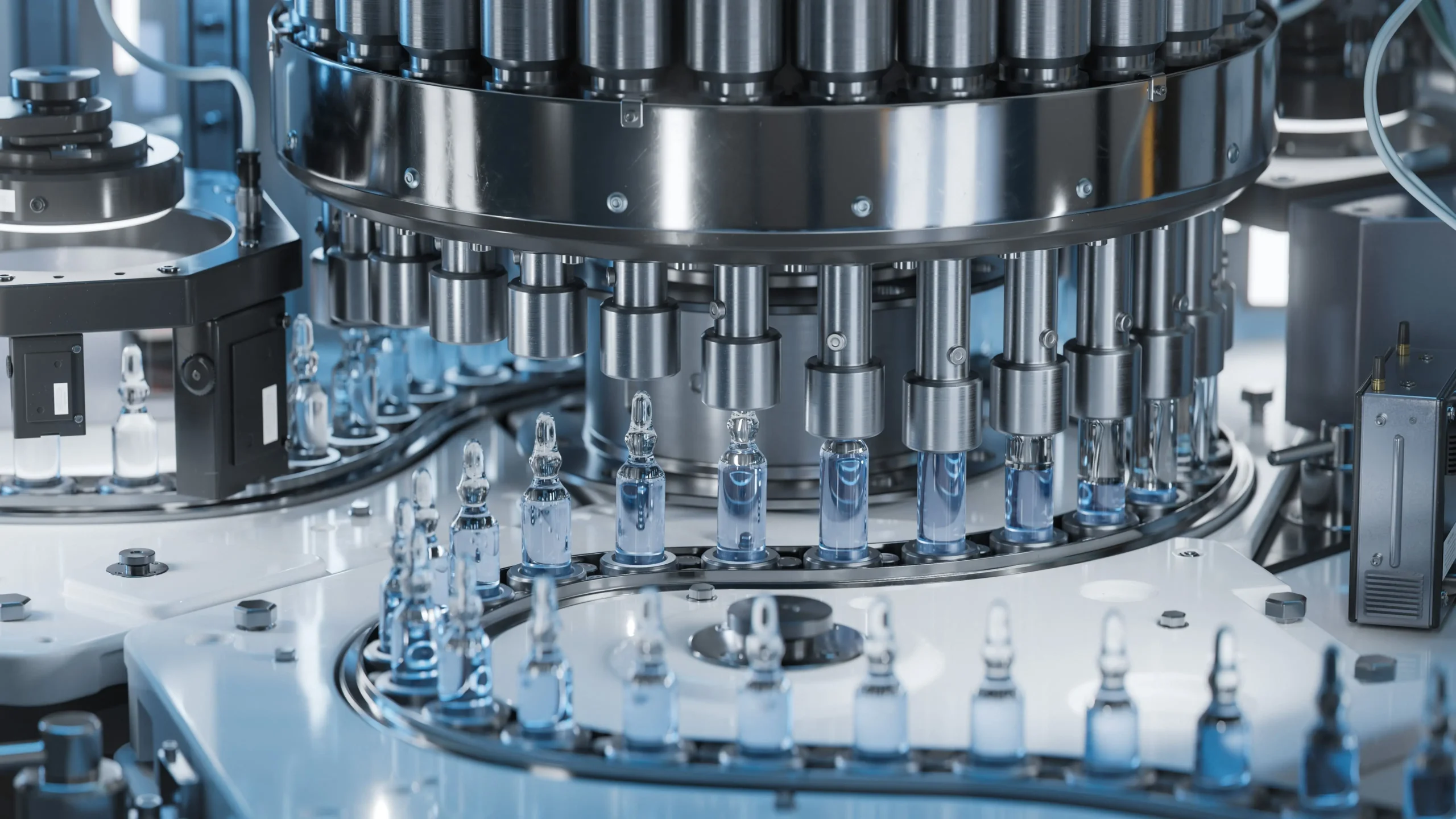
Automation plays a central role in redefining how pharmaceutical laboratories operate. From sample preparation to data analysis, automated systems reduce human intervention and enhance precision. Robotics can now handle repetitive tasks such as pipetting, mixing, and sample sorting with greater consistency than manual labor.
In intex pharma research, automation enables scientists to conduct high-throughput screening, allowing thousands of compounds to be tested in a short period. This dramatically accelerates the drug discovery process and reduces the time required to bring new treatments to market.
Laboratory automation also ensures compliance with strict regulatory standards. Automated systems generate accurate logs, track every step of the process, and minimize the risk of contamination or procedural errors. For intex pharma research, this means improved reliability and stronger scientific validation.
Benefits of Automation for Intex Pharma Research
The integration of automation brings numerous benefits to intex pharma research. One of the most significant advantages is increased efficiency. Automated systems can operate continuously without fatigue, allowing 24/7 research capabilities and faster project completion.
Another key benefit is improved accuracy. Human error is one of the leading causes of inconsistencies in laboratory results. By reducing manual handling, intex pharma research can ensure more precise and reproducible outcomes.
Cost efficiency is also an important factor. Although initial investment in automation technology can be high, long-term savings are substantial. Reduced labor costs, fewer experimental errors, and optimized resource usage contribute to overall financial efficiency.
Additionally, intex pharma research benefits from enhanced scalability. Automated systems can easily adapt to increased workloads, making it easier to expand research operations without significantly increasing staff requirements. This scalability is essential in today’s competitive pharmaceutical industry.
Key Technologies Driving Automation in Laboratories
Several advanced technologies are powering the automation revolution in pharmaceutical research environments. Robotics is one of the most widely used solutions, enabling precise handling of laboratory tasks that require high accuracy and consistency.
Laboratory Information Management Systems (LIMS) are also critical. These systems help intex pharma research manage data, track samples, and maintain regulatory compliance. LIMS platforms ensure that every stage of research is properly documented and accessible for analysis.
Artificial intelligence and machine learning are further transforming laboratory operations. AI algorithms can analyze complex datasets, identify patterns, and predict outcomes that would be difficult for humans to detect. In intex pharma research, these technologies support drug discovery by narrowing down potential compounds more efficiently.
The Internet of Things (IoT) is another important component. Smart laboratory devices can communicate with each other, share data in real time, and provide continuous monitoring of experimental conditions. This connectivity enhances the overall efficiency of intex pharma research by creating a fully integrated digital laboratory ecosystem.
Challenges in Implementing Automation
Despite its advantages, implementing automation in pharmaceutical laboratories is not without challenges. One of the primary obstacles is the high initial investment required for advanced equipment and software systems. For organizations like intex pharma research, budget allocation must be carefully managed to ensure long-term return on investment.
Another challenge is the need for skilled personnel. Automated systems require technicians and researchers who are trained in both scientific methods and digital technologies. This creates a demand for continuous training and development within intex pharma research.
Data security is also a concern. As laboratories become more connected, the risk of cyber threats increases. Protecting sensitive research data is essential for maintaining integrity and confidentiality in intex pharma research.
Integration of new systems with existing infrastructure can also be complex. Many laboratories still operate with legacy systems that may not be fully compatible with modern automation technologies. Overcoming these integration challenges is crucial for the successful transformation of intex pharma research environments.
The Future of Intex Pharma Research in Automated Laboratories
The future of pharmaceutical research is closely tied to the continued advancement of automation and digital technologies. In the coming years, intex pharma research is likely to see even greater integration of AI-driven decision-making systems, autonomous laboratory robots, and predictive analytics tools.
Personalized medicine will also benefit from automation. By analyzing large datasets, intex pharma research can contribute to the development of treatments tailored to individual genetic profiles, improving patient outcomes and treatment effectiveness.
Cloud-based laboratory systems will further enhance collaboration across global research teams. Scientists working in intex pharma research will be able to access and analyze data from anywhere in the world, accelerating innovation and discovery.
Sustainability will also become a key focus. Automated systems can reduce waste, optimize resource usage, and minimize environmental impact. This aligns intex pharma research with global efforts to create more sustainable and responsible scientific practices.
Conclusion
Automation is transforming pharmaceutical laboratories into highly efficient, precise, and data-driven environments. For intex pharma research, this transformation represents an opportunity to enhance productivity, improve accuracy, and accelerate scientific discovery. While challenges such as cost, training, and integration remain, the long-term benefits far outweigh the difficulties.
As technology continues to evolve, intex pharma research will likely become increasingly reliant on automation, AI, and digital infrastructure. This evolution will not only improve laboratory performance but also contribute to faster development of life-saving medicines and therapies, shaping the future of healthcare and scientific innovation.